
The Mechanics
Dungeons
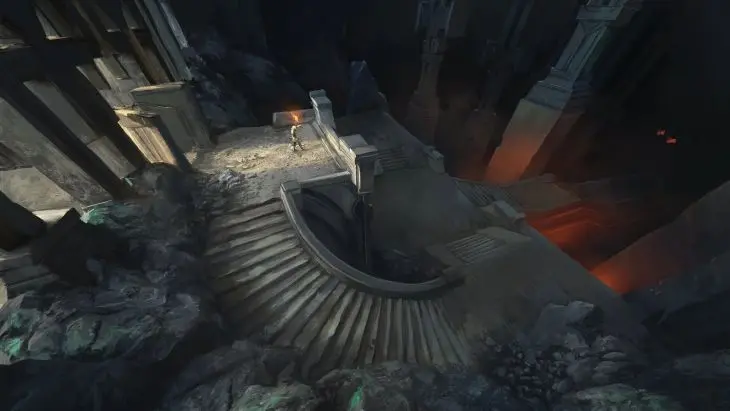
Dungeons are the new set-wide mechanic, as one might expect from a design based on Dungeons & Dragons. The dungeons are basically triggered abilities that are tacked onto all cards with "venture into the dungeon." There are three dungeons to choose from, and they will be useful to you in different ways depending on your deck composition and the game state. Similarly to Lessons from Strixhaven, dungeons are something you have access to from outside the game. However, you don't have to draft them! They are more like tokens or emblems in that regard.
When you "venture" for the first time in a game, you choose a dungeon you want to venture into, and you get the first room's effect. Every time you venture, you progress to the next room of your choice within that dungeon. Once you've entered the final room, the dungeon counts as completed, and you're free to venture into another dungeon or redo the same.


For example, let's say you play
Classes


Class is a new enchantment subtype, and its representatives are in many ways similar to Sagas. However, for Classes, you choose yourself when to move to the next level, and they stick around on the battlefield. You'll find them at uncommon and rare, and they can grant some very powerful effects at the higher levels. I would start rating these very highly, but a word of warning about spending too much mana or "taking a turn off" to level these up, as enchantment destruction is quite common and also maindeckable because it's often an option to choose on the set's many modal cards.
Rolling Dice
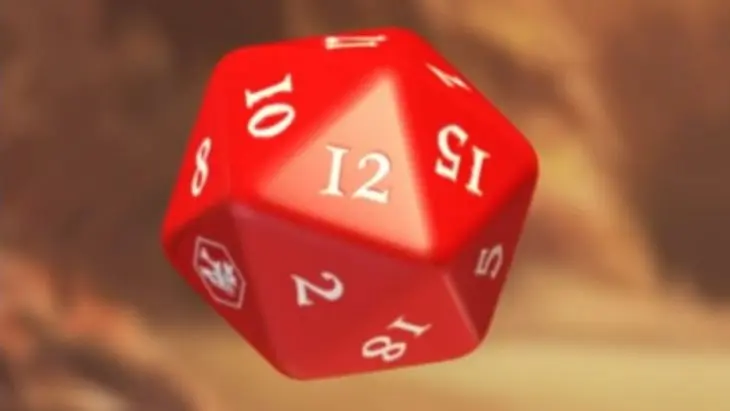
Rolling twenty-sided dice is another prevalent mechanic in the set, centered in blue and red. This is the first time it's a sizable part of a black-bordered set and, looking at the cards that exhbit this mechanic, I think it's fairly well balanced for the inherent variance it entails. It's simple mechanic at face value, but can become slightly complex. When rating cards that involve a die roll, I think the best way to evaluate them is by their lowest rolls, and to take every high roll as a bonus.
The Archetypes
A quick reminder on how I choose my key commons for each color pair. They are listed in no particular order, and removal spells are generally excluded from these. Removal is often just "generically good" and doesn't offer much interesting discussion. Rather, I list the cards I believe to be the mechanically and synergistically most important roleplayers for the respective colors.
White-Blue Venture

White-blue is one of the pairs that ventures the best. You have access to a lot of cards that venture or benefit from venturing or from completing dungeons. At common, however, white is more supportive of the more aggressive-leaning red-white and green-white color pairs, meaning white-blue might be quite dependent on uncommons and rares to really tick.
Key Commons:
Blue-Black Unblockable/Venture

Blue-black is focused on evasive creatures and venturing as a sub-theme. There are quite a few creatures in these colors that venture when they deal combat damage to a player, and blue and black try to maximize their potential. There is Equipment that grants evasion, hard-to-block creatures, both of which you will want plenty of when drafting.
Key Commons:
Black-Red Treasures

Black-red is trying to create Treasure tokens aplenty, but not necessarily to ramp into big things but to accrue value, as is customary for the color pair. Repeatable ways to create Treasure will be key to getting this archetype to click, and there are a good number of options to achieve this.
Key Commons:
Red-Green Pack Tactics

Red-green has a pretty typical theme, where creatures with high power matter. However, instead of the usual 4, it's 6 this time around. Pack tactics is a collection of abilities that appear on quite a few cards in the color pair. They trigger when you attack with creatures with a total power of 6 or greater. Whether this is a single creature or multiple doesn't matter. Note, however, that the creature with the pack tactics ability needs to attack itself to trigger.
Key Commons:
Green-White Life Gain/Counters

A classic theme for green and white, with the classic
Key Commons:
White-Black Venture

White and black is a tricky color pair to pinpoint, but I've gone with the signpost uncommon's themes and marked this down as another venture-centric color pair. It also seems to be wanting to use the graveyard, but I can't really see an overarching theme in the same way as for the other color pairs.
Key Commons:
Blue-Red Dices

Depending on your person, this color combination will likely be your favorite or least favorite, as it is all about rolling dice and seeing what happens. There are a few ways to mitigate and get around the inherent variance of die rolls, such as rolling additional dice or abilities that trigger when you roll a die.
Key Commons:
Black-Green "Morbid"

Black-green has less of a graveyard theme this time around and is focused more on creatures dying. Trading off deathtouchers and getting value from your, or your opponent's, creatures dying is what you really want to do.
Key Commons:
Red-White Equipment

Red-white is the beatdown, the aggressive deck of the set, and will, like in Zendikar Rising, try to use Equipment to augment its creatures. There's plenty of Equipment in the set, and the colored examples in red and white suit the colors particularly well. Notably however, is that the creatures themselves are always more important than the actual Equipment.
Key Commons:
Green-Blue Somethings

Green-blue, like green-white, is quite generic in what it's looking to do. It wants to ramp and draw cards, as has been the case many times before. There are some big creatures worth ramping into, but most of the really premium ones are at rare or mythic. However, this is the color pair that allows you to splash other colors the most, so a green-blue base can give you some room to play off-color bombs.
Key Commons:
The Big Picture
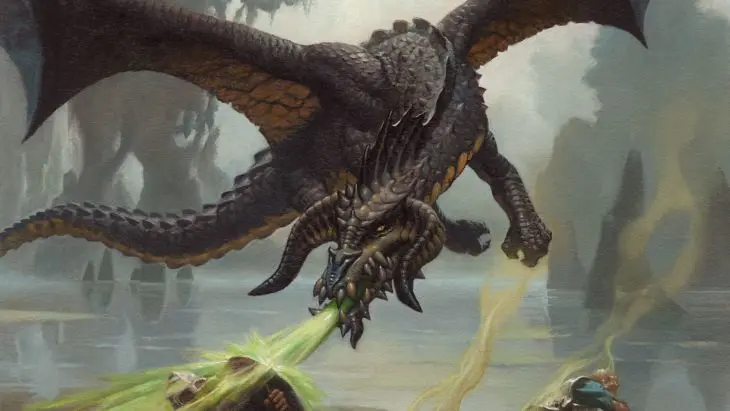
Overall, this set is actually pretty hard to evaluate, as many cards will depend on how well the dungeon mechanic actually plays out. Looking at the cards that venture at common, they are very fairly costed and I guess slightly nerfed compared to how they'd look without venture. I will start out seeing venture and the dungeons as a value mechanic that is good but not necessarily the best thing you can be doing in the set, such as learning Lessons was in Strixhaven Limited.
As mentioned before, I think Classes will be high picks and some of the best cards in the set, offering mana sinks and powerful effects if they stick around on the battlefield.
Without further ado, here are my picks for top uncommons and rares/mythics going into this set, listed in no particular order.
Top Uncommons:
Top Rares:
As you can see, I'm rating the Classes very highly going into the set. I'm also not too impressed by the mythics in this set. Don't get me wrong, they are good, but I don't think any of them really eclipse the rares listed above. This might be right, it might be wrong, we will just have to play with the cards and see! But hopefully this can give you a good guideline to your first draft, Sealed Deck event, or prerelease!
Happy drafting!
Opinions expressed in this article are those of the author and not necessarily Cardmarket.