Ikoria Is Here!
Usually, whenever a new Magic expansion drops, I can't wait to open Twitter every morning. I love to read what the community is thinking about the cards and what exciting brews shake up the various formats. This time around, Twitter has been a dark place for me ever since Wizards unveiled the companion mechanic.
It was obvious from the beginning that starting each game up a card — more so a powerful one you've built your deck around — is a very big advantage. Not as clear was whether or not the restrictions the companions impose would be enough to keep metagames diverse. If it's too easy, everyone enlists a companion, as nobody wants to miss out on the extra card. Since companion demands very specific deck building, the number of available archetypes decreases if they turn out to be a must-have in competitive settings. Before Ikoria became available on Magic Online and MTG Arena, there was skepticism as to which condition one could meet without crippling existing strategies. Many people were excited about the upcoming challenge to brew with the companions. But after the set hit the online platforms and players started competing, it became crystal clear:
Today, I want to show you two successful lists from the past weekend that both include what I consider to be the most dangerous companion:


Standard
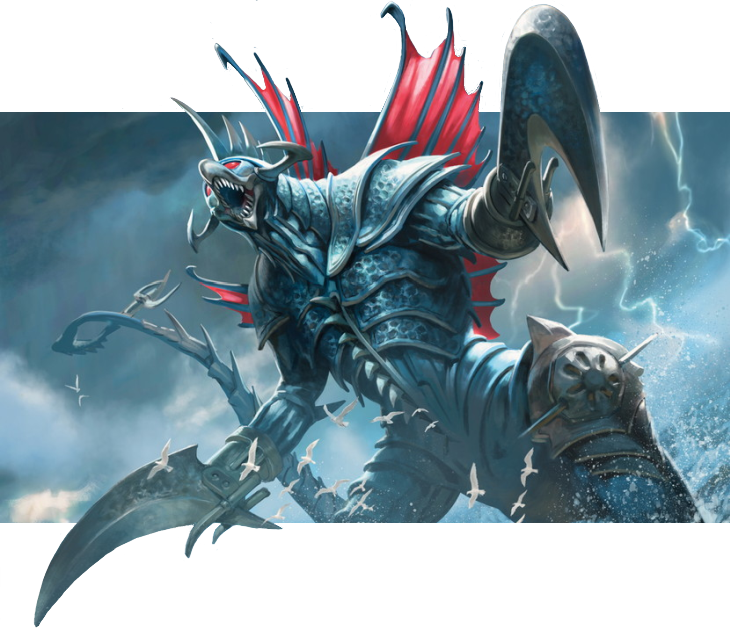
When I first saw Gyruda, I thought it would be hard to fulfill the requirement, as skipping on all cards that have odd converted mana costs shrinks the Standard card pool significantly. Decks that can't cast anything on the first turn and struggle to use up all of their mana on the third and fifth turn will have a hard time competing. Luckily, Theros Beyond Death brought back the beloved Temples and with an abundance of ramp spells at 2 and 4 mana, the following deck is perfectly set up to ignore Gyruda's drawback while maximizing on its potential:
| Moth Gyruda Ramp by Emma Handy | ||
|---|---|---|
| Main Deck | Sideboard | |
|
|
|
The deck is optimized to cast Gyruda from the sideboard on the fourth turn and from there on, the fun can begin. If Gyruda hits
Since Gyruda has an even converted mana cost itself, you can have one in your sideboard as your companion and put the other three copies into the main deck for redundancy. That way, you have a backup plan when your companion gets countered or dealt with in another way, which makes the whole pretty resilient while featuring all the upsides a broken glass-cannon combo deck has to offer.
I played the deck myself for a few matches and have to say that it feels very broken and overpowered. Sure, it's a strategy a metagame can adapt to. You can choose and build a deck specifically to prey on ramp's vulnerabilities, but it doesn't look like this is healthy for the metagame at all. It kind of reminds me of the
Legacy
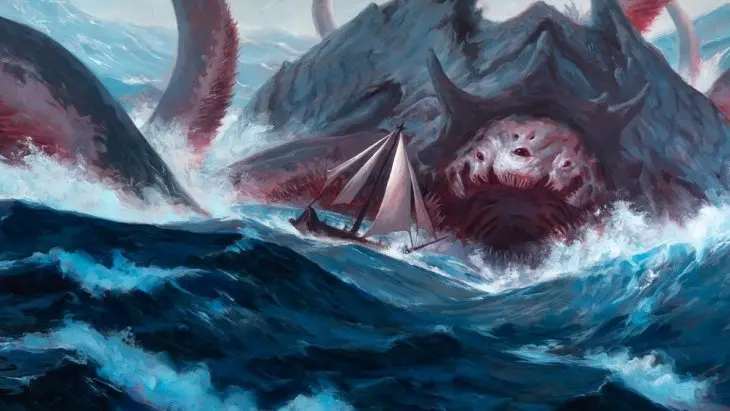
Traditionally, Legacy isn't a format that changes much with each new printing. That being said, we had to get used to adapting our favorite archetypes to every set in 2019. While I like change, Ikoria will likely leave its mark on Legacy forever. I was already expecting companions to have a big impact on the format, as you can read in my article on {c=Lurrus of the Dream Den}, but I didn't expect Gyruda to break it in half.
While it was clear that Gyruda had to slot into some a combo deck, nobody saw the following monstrosity coming before the Magic Online Legacy Challenge this past weekend:
| Turbo Gyruda, Top 8 Magic Online Legacy Challenge | ||
|---|---|---|
| Main Deck | Sideboard | |
|
|
|
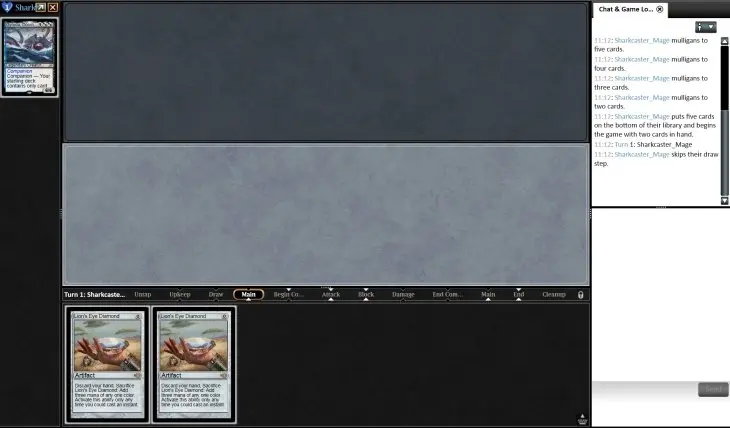
The deck is essentially built with the same intention as the Standard version: cast Gyruda as fast as possible from your sideboard. The main differences are that fast mana is a lot more powerful in Legacy and the ability to be way more broken with a bigger selection of creatures to cheat into play. Heck, this deck can even cast Gyruda on the first turn of the game with a mulligan down to two cards! All you need is two copies of
When Gyruda's trigger resolves, you can choose from a plethora of different creatures to ensure the Gyruda train keeps running.
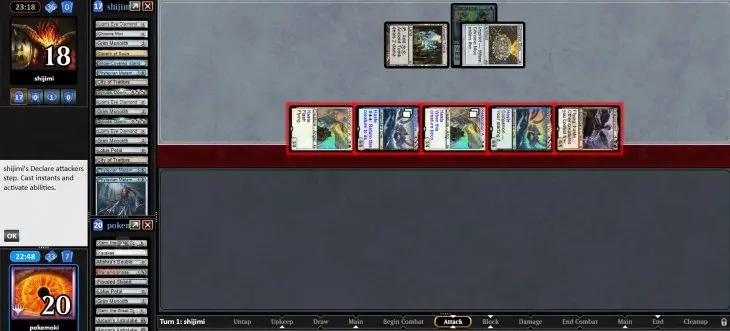
While this deck surely is a classic glass cannon and not built to play interactive and fair games of Magic, take a moment and compare it to
Note: Because there is an issue with replacement effects like
Going Forward
I think the companion mechanic is a very big change to Magic and will impact all formats a lot. I have heard comparisons to when planeswalkers were introduced. It's that big of a deal, since the rules of the game change quite a bit when everyone is suddenly starting with eight instead of seven cards and many decks are built with those cards in mind. I don't think it's necessarily a bad thing. However, if we're forever stuck with the first few badly balanced companions, it will turn boring and problematic very soon. I'm excited to see what ideas the upcoming weeks will spark, but I'm also concerned that something needs to be done about Ikoria's companions to save competitive Magic as we know it.
What do you think about the new companion mechanic and the impact it will have on your favorite format? Are you afraid or excited? Let me know in the comments!
Opinions expressed in this article are those of the author and not necessarily Cardmarket.