Yu-Gi-Oh! Before Synchro Summoning
At the beginning of time, Yu-Gi-Oh! was an experience as slow as molasses. A very limited pool of playable cards meant most decks looked like Big Guys Turbo. Cards like
It's this similarity that I wish to bring to your attention. Was 2002 Yu-Gi-Oh! all that different from Magic: The Gathering? Both games were slow, centered around resources and guys with slightly bigger stats than your opponent's. Of course there were exceptions on both sides, but the games maintained a similar play style until the end of GX. Strategies during this period rarely made use of the extra deck. Sure, when


Then came Gladiator Beasts. This was the first strategy that truly made use of the extra deck. Cards like
What Synchros Brought to the Game
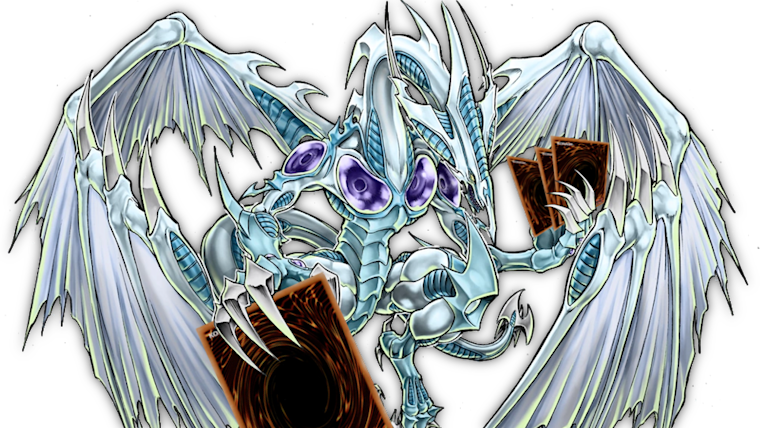
In August 2008, the Starter Deck: 5Ds was released and we got our first taste of these brand new white monsters. With them came the biggest changes the game has ever experienced. A limit of fifteen cards to the extra deck was implemented since the new synchro mechanic was a whole lot more generic than what previously filled players' "fusion decks." Cards like


Many "yugiboomers" and people who don't actually like the game today claim it went downhill when they introduced synchros. This couldn't be further from the truth. Before these cards existed, the game was just alright. But there was no reason to play it over other TCGs. This era brought forward a way of playing and deck building that set Yu-Gi-Oh! apart from its peers. Decks became faster, stronger, and they did more things. Tuners were pumping out synchros left and right. One turn kills with
Xyzs, Pendulums, and Links
During the 5Ds era, the game experienced extreme growth, big events, bigger plays. Come the release of Zexal, Konami doubled down on the design choice that had brought them so much success. Xyz monsters were even more generic than synchros, and enabled a lot of crazy plays. Cards such as
Lastly, in 2017, we were given the link summon. Links are by far the most generic and broken extra deck mechanic that exists. Coupled with Master Rule 4 crippling every other mechanic, they shot to the forefront of the game, powercreeping every other extra deck monster. For the longest time, extra decks were just fifteen blue cards, and variety suffered greatly. In retrospect, it's really shocking how the game not only survived this period, but grew through it. Cards like


Thankfully, Konami realized the mistake in making the game so link-centric and retconned the mechanic for the April 2020 Master Rule update, colloquially known as "Master Rule 5." This period, which we are living in currently, is one of the most varied in the game's history, at least in terms of variety between decks. During the ZEXAL era, you played xyz deck after xyz deck, but this is not the case anymore. Since 2020, we've seen the meta being taken over by fusion decks like Invoked or Despia, synchro strategies like Adamancipator or P.U.N.K., xyz decks such as Exosister or Kashtira, and mixed strategies like Mathmech or Spright.
Conclusions
For a while, Yu-Gi-Oh! was just a very similar experience to Magic, but a bit lamer. While this period had a lot of great things about it, Yu-Gi-Oh! didn't really become its own thing until synchro monsters took over. Like it or not, this is a very fast-paced game, and that's what makes it different from its competition. This speed didn't come until the aforementioned period though, and it really gave the game the unique feel we all love.
Opinions expressed in this article are those of the author, not of Cardmarket.