
Magic Genesis
At first Wizards made the game and the cards.
And the cards were dark and without shine;
and it was dark on the surface of the card;
and the Spirit of Wizards was moving on the face of the cards.
And Wizards said, Let there be foils: and there were foils.
And Wizards, looking on the foils, saw that it was good.
Foils were the original premium cards in Magic. Introduced in 1999 in Urza's Legacy and Seventh Edition, they quickly became very desirable. Especially foil rares were really hard to pull during that time and therefore sought after right from the beginning.
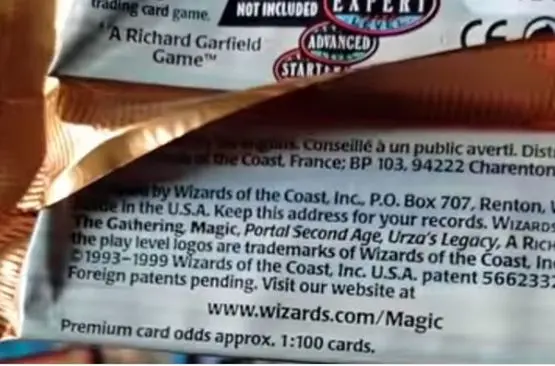
In the following we take a look at the evolution of the most important foiled cards and problems that can or most likely will occur when handling or dealing with them. Furthermore we observe a couple of unique varinats. Please understand that I can't list every single foil ever created. This would go beyond the scope of this article.
Regular Foils
a. Urza's Legacy and Seventh Edition …
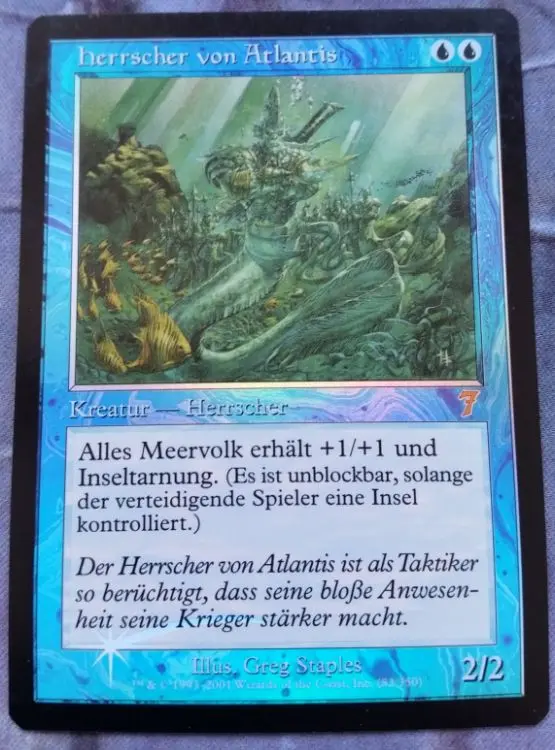
In 1999 Wizards of the Coast decided to introduce the first real premium cards to the Magic world. Urza's Legacy was the first Standard set that included foiled cards, while Seventh Edition was the first core set to carry foils. Besides having a glossy frame, they are recognizable by the iconic shooting star from what was the Wizards logo back then.
Today these first foils, especially those of Seventh Edition and Reserved List cards, are extremely sought after. Pulling a foil rare at that time was comparable to pulling a Zendikar Expedition or a Kaladesh Masterpiece. Even horribly unplayable cards like
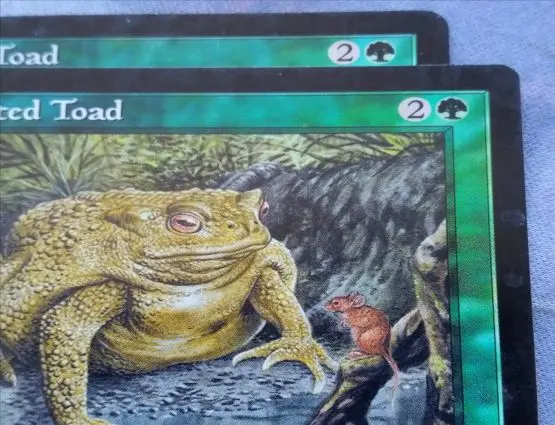
When dealing with older foils, especially Urza's foils, you may have seen that some of them have strange, more pointy corners. (Check the

… up to Onslaught Block
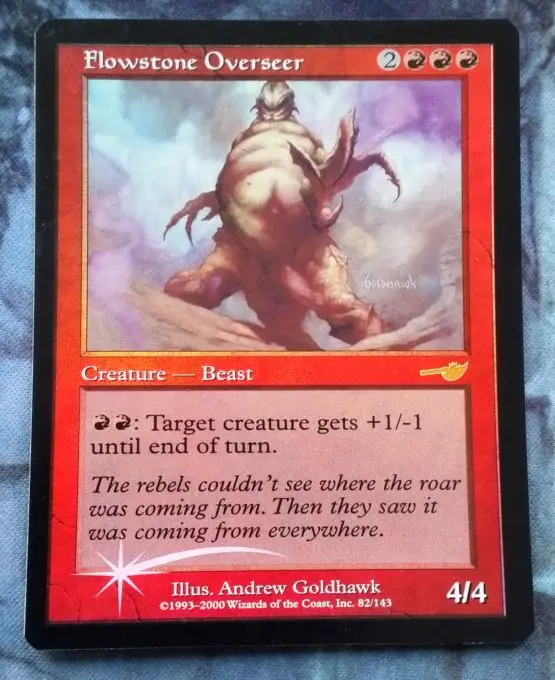
The classic, premodern foiling continued for only four more blocks, namely Mercadian Masques, Invasion, Odyssey, and Onslaught. Compared to the number of all of Magic's blocks and sets, it is a rather short reign for these beauties.
b. Traditional Eighth Edition and Mirrodin
The next generation of foils appeared in 2003's Eighth Edition and Mirrodin. From that point on foil cards featured a foiling on the border and on the illustration highlighting individual pieces of the artwork. This is possible by the usage of a metal layer on the card and also is why foils are not fully recyclable. For this generation of foils they got rid of the old shooting star.
Note that foils from the time around Future Sight, Lorwyn, and Shadowmoor appear to be a little darker than other foils. These darker cards are genuine too.
Because Wizards changed the foiling, these cards are becoming more and more desired.
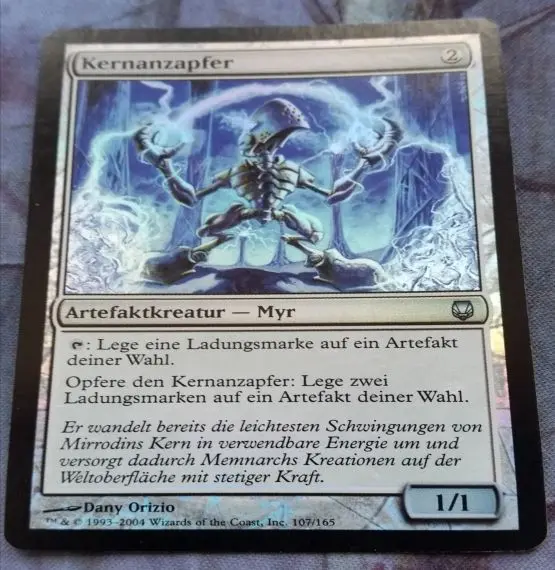
c. Contemporary: M15, Khans of Tarkir, and Ongoing
This is the continuation of the aforementioned foil generation. From M15 to today, this is the standard of how a foil card looks, including the most recent update to the card frame. For M20 the odds of pulling a foil card were increased to 1:45 cards (every third booster). Before M20 it was 1:67 cards.

There is a subtle difference between an Eighth Edition and a contemporary foil besides the frame.
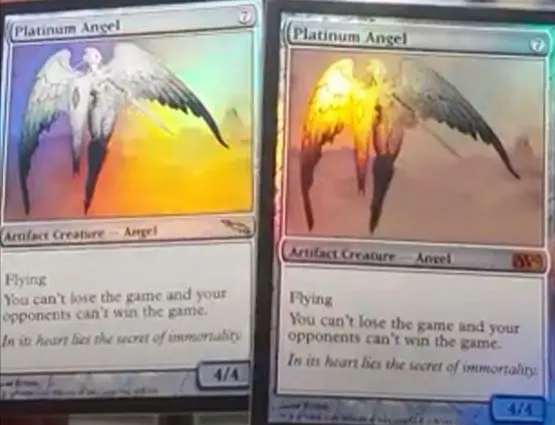
Even within the same frame period you can see slight or major differences in the foiling process. The comparison above shows a foiling (from Mirrodin) that highlights the creature without a foil layer on the creature itself and a foiling on the card as a whole (from M10). That Mirrodin foiling represents the former standard of how foils used to be. At some point in time Wizards went on to lay the foiling above the whole card. I can't say at which point they did this exactly. Probably M10? Note that this does not apply to every "newer" foil on the same level. For example the
This difference is the reason why even early modern foils (especially from Eighth, Ninth, and Tenth Edition) are becoming sought after.
Special Foils
a. Retro: Similar but Not Identical
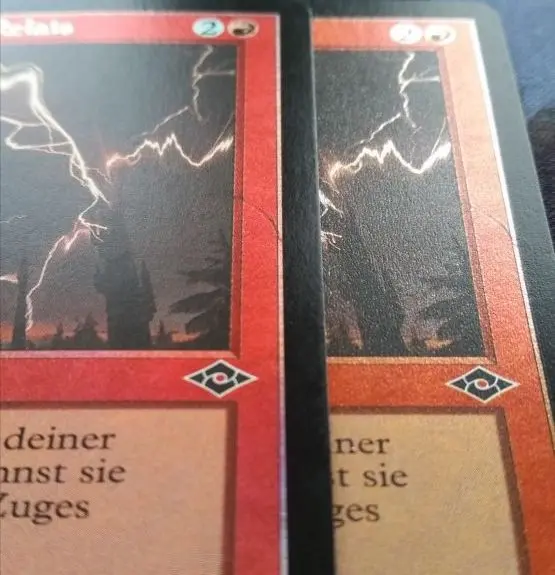
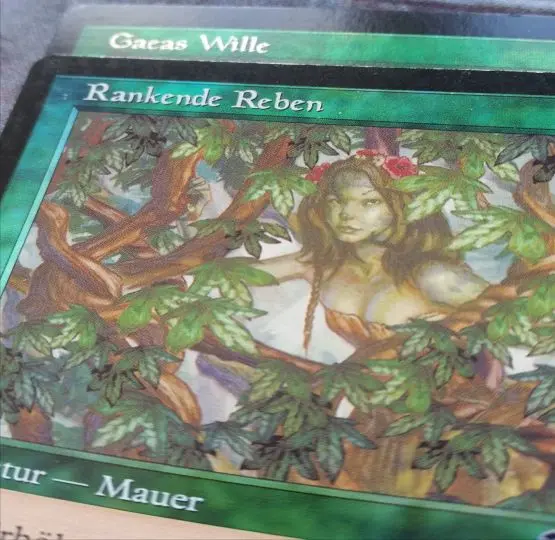
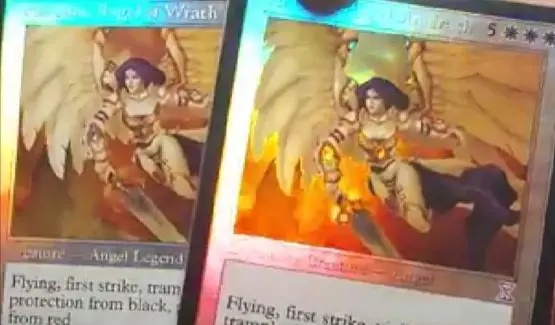
In 2021 Wizards released the third set (following Time Spiral and Time Spiral Remastered) to contain retro-framed cards. The original foil retro versions, the timeshifted cards from Time Spiral, featured a foil retro border with a foiled art (see the
Modern Horizons 2 finally gave us updated versions of classic frame foils. These old-school foils were released as classic and etched retro. The classic retro replica has the foil layer only on the border, while the etched foiling is covering the whole surface with a gross, leathery texture. While the classic retro foil from MH2 comes extremely close to an original old-school foil, you can still find a slight difference in the name of the card (see
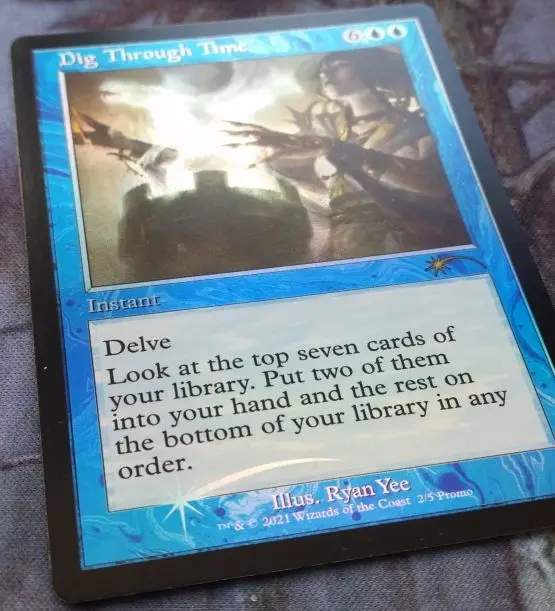
In 2021 Wizards released a small set of cards under the "Love your LGS 2021" label. These cards were given exclusively to stores and had a retro foil frame including a foiled picture, what one can describe as a hybrid foil. The list also included
b. Modern Etched
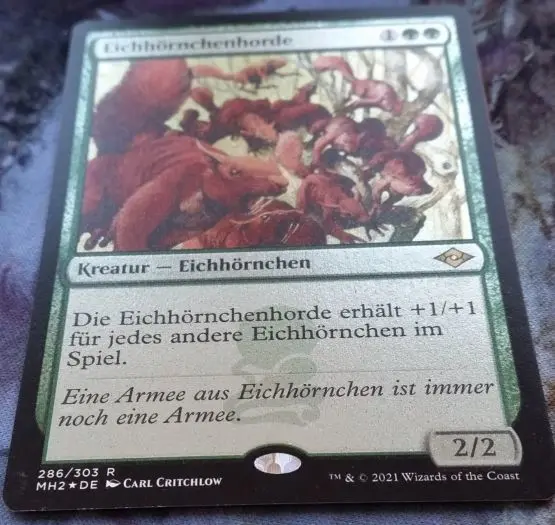
In Commander Legends Wizards released the regular etched foil variants of contemporary Magic cards. Such foils were also available in Modern Horizons 2. The etched foiling covers the whole front.
c. From the Vault

Remember From the Vault? This series contained cards using a special foiling process that was unique and exclusive to these sets. They were printed on an even more reflective stock giving them an even shinier appearance. The foil layer covers the whole front surface of the card. It does not hightlight certain parts of the card. Even though they are slightly heavier than a regular foil, they are known to be even more susceptible to curling.
d. Junior APAC Series
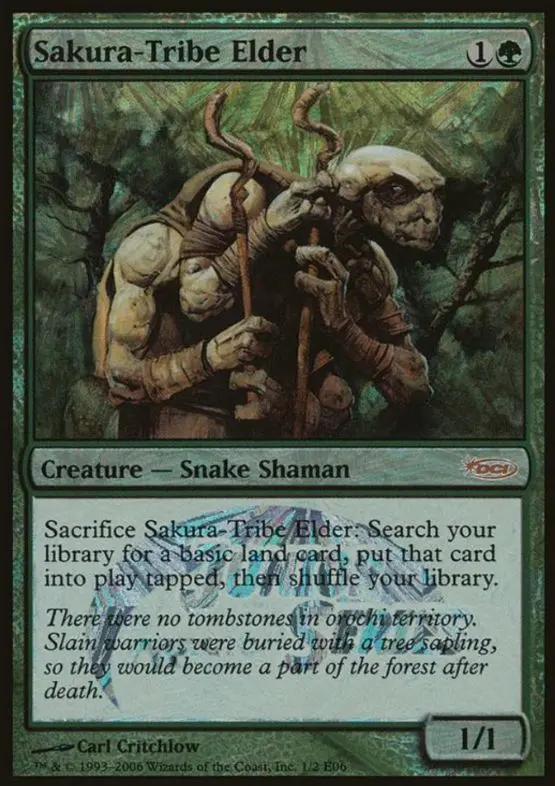
This extremely rare foil series from 2006 displays an absolutely adorable and unique foil treatment reminiscent of stained glass. The series also contained
e. Extended and Full Art
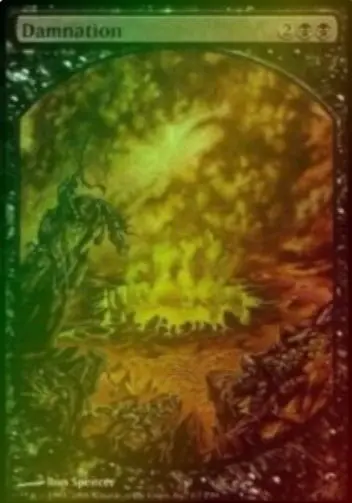
Technically introduced with the Unhinged full-art foil lands and the Player Rewards Promos, Throne of Eldraine established and cemented the extended-art foil cards as an ongoing standard in the market. Full- or extended-art foils can be found in various sets since then.
f. Neon Ink

Kamigawa: Neon Dynasty introduced a completely new type of foil:
g. Textured
Double Masters 2022 introduced the "textured foil." A textured foil mythic appears in only three percent of collector boosters. They have an even more dynamic, sparkling look than a regular foil. I did not hold a copy in my hands yet, but I suppose the effect is probably comparable to the Junior APAC Series cards.
Quality issues
a. Warping: The Pringle Issue
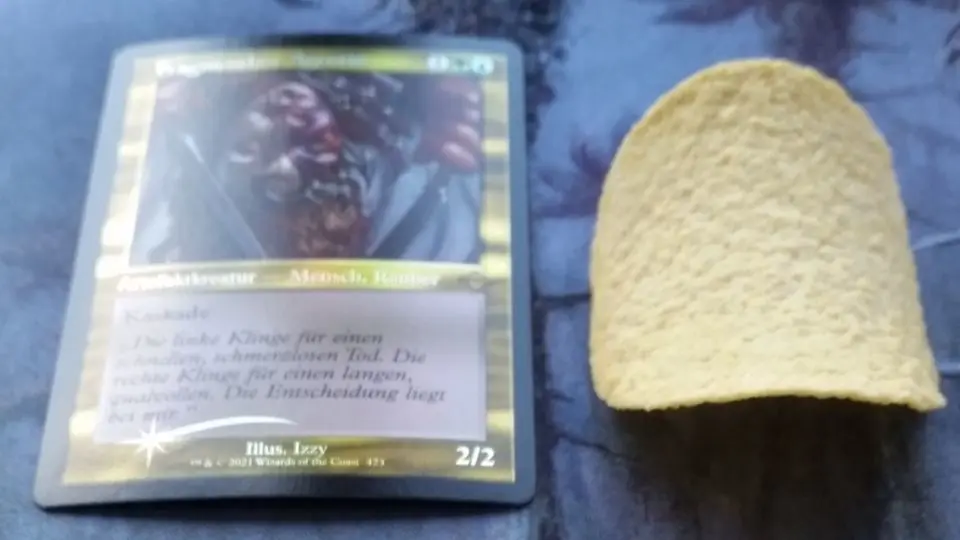
Collecting and/or selling foils can be challenging, because these cards are extremely hard to keep mint. While hording (especially newer) foiled cards, you may have noticed that some (or many?) of them turn into what we define as "Pringles." They just curl. Sometimes even five minutes after opening the booster. Other times you pull them already slightly curled. It is quite the annoyance and apparently connected to temperature and humidity. If you are digusted by the warping, you might want to buy etched foils because curling does not seem to be that much of an issue with them.
b. Surface Clouding
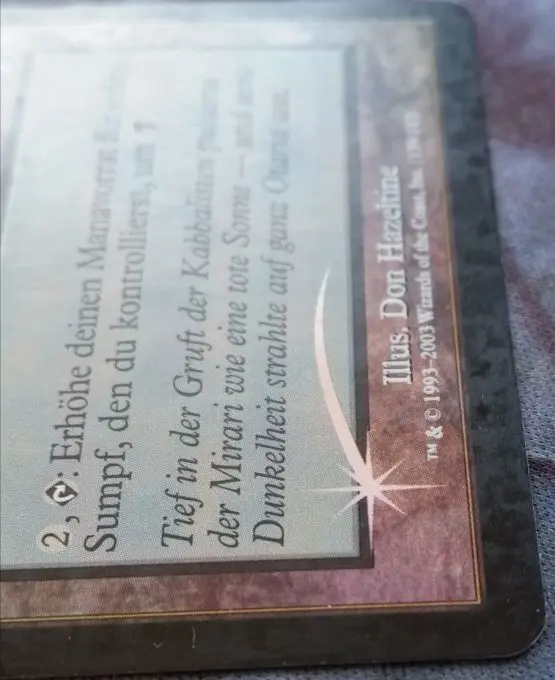
Another issue that affects new and old foils is a thing called "clouding." This can occur very quickly after handling the card. These tiny textures emerge from micro scratches on the surface and/or oils from your hands.
Overall, condition is a major topic because of the sensitive nature of the cards. Prices swing heavily from played to mint.
Outlook
To this day Magic players are fascinated by the special look a foil card can generate. Kamigawa: Neon Dynasty and Double Masters 2022 show that there is still enormous room for innovation when it comes to creating premium cards, and I curiously expect this trend to continue.
What are your experiences with foils? Which foiling style do you like the best and what is you favorite foil Magic card? Which card that doesn't exist as a foil yet would you like to see get the treatment? How many times did I write "foil" in this article?
Opinions expressed in this article are those of the author, not of Cardmarket.