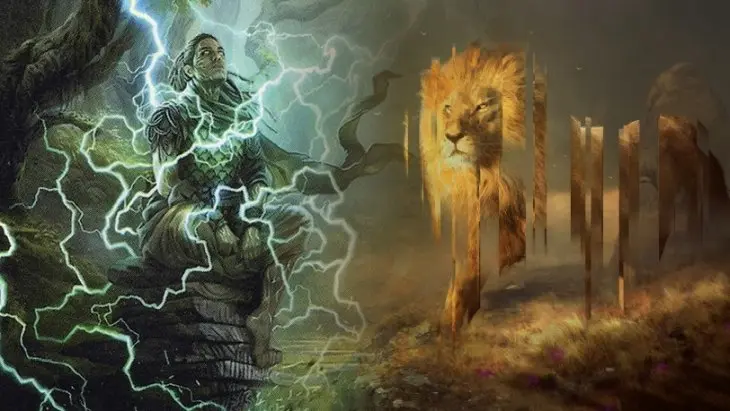
The Top 8 Pauper Decks from Cardmarket Series Paris
Welcome to Pauper, a budget-friendly format where decks such as Affinity and Elves are still alive. While only common cards are legal, generally making for a very diverse metagame, there are certain decks that are more powerful than others. The recent Cardmarket Series Pauper main event offers some insight.
Ever since the ban in October 2019, the Pauper metagame seems to be healthier overall. This banning might make color fixing harder again, but perhaps it shouldn't have been this easy in the first place. Between various tap lands, , artifact lands, and common-rarity fetchlands, artifact-based and multicolored decks are still doing just fine. Even Tron variants don't suffer from the ban that much, as they've just started running lifegain lands.
Modern Horizons had so many strong commons, the set name seems a bit misleading …
Of all the dominant archetypes in the Pauper metagame, only managed to take two of the top spots in Paris, and even these two didn't run the same colors! Seven-ish different decks with playstyles ranging from aggro to control in a Top 8 is certainly an indicator of a healthy format, much healthier than during the Astrolabe summer.
Elves
One of the most iconic tribes in all of Magic, Elves somehow always manage to fight their way through most of the biggest formats in the game. Although they're not as popular in Modern and Legacy as they used to be, due to cards such as , they are no joke in Pauper. A format that has much weaker removal and counterspells and that's somewhat forced to rely on and -type cards is much more welcoming for aggressive decks. Additionally, Elves can also gain a bunch of life in a pinch and pack some very powerful removal.
What makes the winning list from Paris interesting is the fact that it only has nine lands, though it does feature a playset of . It only needs a single land to go off, and every so often the Grant is better than a land because of . Another card worth mentioning is . It might be slow, but taking the time to counter a removal spell certainly beats losing the game on the spot.
Matthias Janßen, Champion
Main Deck
Sideboard
8
1
4
4
3
1
1
1
2
3
3
3
4
4
4
2
4
1
4
1
2
1
2
2
1
2
1
2
3
1
Fog Tron
Tron is generally considered to be a beginner-friendly archetype, but that's not the case for Pauper. Fog Tron might be just about the most complex Pauper deck, but its power level pays for that. It seeks to win the game by stalling until it sets up one of the many loops involving and .
really boosted this archetype, which now has way too many combos to count. Tap lands, Signets, and were ready to replace , so it's not a surprise that the deck remains relevant.
Patrick Frentzen, Finalist
Main Deck
Sideboard
4
4
4
4
1
2
1
1
1
4
3
4
2
2
4
4
2
2
2
2
1
1
1
1
1
1
1
4
4
1
1
1
1
1
1
1
Monogreen Stompy
Apparently, a mainly green Pauper deck doesn't need to feature Elves. With many removal spells in the format being efficient against creatures with 1 toughness, playing many pump spells and creatures that can regenerate can't be a bad idea.
This is another deck that got stronger with Modern Horizons, as complements its plethora of power 2 creatures. Additionally, helps against other aggro decks. This deck may not be the most interactive, but it can deal with opposing creatures by buffing its own and sending them to fight, or just by overrunning them with superior stats.
Lauric Desauw, Semifinalist
Main Deck
Sideboard
17
1
4
3
4
4
3
4
3
4
4
3
3
3
3
2
3
3
2
1
1
Dimir Delver
Even Pauper is filled with graveyard hate in the sideboard, but delve is too strong of a mechanic to pass. Cards such as have never stopped seeing play, which could also be said about . These two always go well together because both benefit from an abundance of cheap cantrips, removal, and counter spells such as blue and black offer. Add a whole lot of fetch lands and the new to that package, and you'll end up with a deck that often fills the graveyard even after a wipe.
Joseph Komly, Semifinalist
Main Deck
Sideboard
1
3
4
2
7
3
2
4
4
4
2
4
4
2
1
2
2
2
2
4
1
2
2
1
4
1
2
1
2
Azorius Flicker
An interesting take on the Flicker archetype without black ended up just outside of the Top 4. Since playing multiple colors isn't as easy as it used to be, this specific list doesn't play . It has some more interesting tech, but it still relies on , , and the rest of the creatures to win in ways similar to Tron. Being able to cast on a Mulldrifter that has just entered the battlefield matters a lot.
Yan Garito, Quarterfinalist
Main Deck
Sideboard
3
3
3
9
2
1
2
4
1
4
2
4
4
2
1
2
2
3
4
2
2
3
1
1
1
1
3
1
2
2
Izzet Tempo
The other Delver deck is more of a tempo deck. With heavy beaters such as and , this deck looks to stick one of them as quickly as possible and end the game with their powerful triggered abilities. It may rely on these a bit too much, but it doesn't get hurt a lot if it doesn't get a in its starting hand. With powerful hate cards such as and illegal in the format, it's no wonder we're seeing many aggro and tempo decks in the Top 8.
Florent Toupry, Quarterfinalist
Main Deck
Sideboard
7
6
4
2
4
4
4
4
4
4
4
4
4
2
2
1
2
2
1
1
1
2
2
2
2
Affinity
There are a lot of reasons why traditional Affinity is still around in the Pauper metagame. All of the artifact lands are legal, it has powerful beaters with the awesome affinity for artifacts, and its noncreature spells are amazing. Most of the mana-producing permanents are artifacts anyway, so this deck easily gains access to many colors and, therefore, many powerful answers and card draw. This further reflects on the sideboard.
Pierre Neau, Quarterfinalist
Main Deck
Sideboard
1
4
4
4
4
4
4
4
4
4
4
3
4
2
4
2
2
1
4
2
1
2
2
3
3
1
1
Monoblack Control
Black is a color that seemingly has everything, save for (noncreature) artifact and enchantment removal. Thanks to powerful creatures, discard, and removal spells, all of the popular formats have had a monoblack deck at least once during their lifetime. In Pauper's case, it's a control deck that can easily remove its opponents' creatures.
Notable additions to this archetype featured in this list are and , which increase both the number of threats and the amount of ways to replay them. For this reason, is also interesting as a "removal" spell that lets you draw additional cards.
Benjamin Riva, Quarterfinalist
Main Deck
Sideboard
2
2
1
18
4
1
4
4
4
1
1
4
1
4
2
1
1
4
1
2
3
2
3
1
3
1
Opinions expressed in this article are those of the author and not necessarily Cardmarket.