Before we crossed the event Horizon, a pet deck of mine used to mess around with
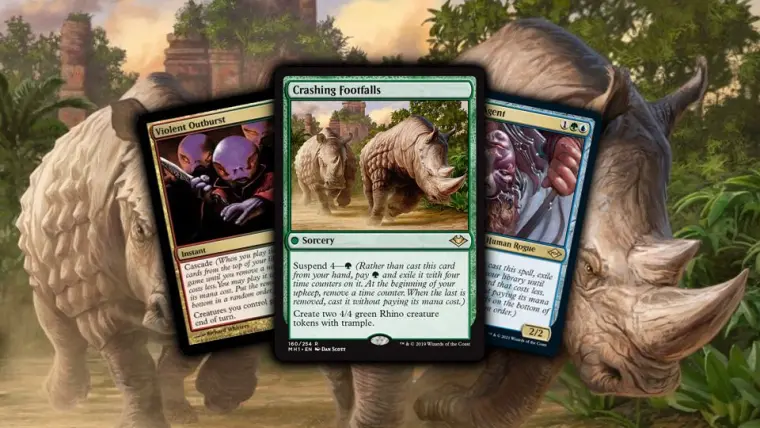
And what a way it has turned out to be. Temur Cascade, Rhinos, Crashcade. The name varies, but all reference the same plan: cascade into 8 to 10 power by turn three, one of the most imposing board presences you can present this early in Modern. It was a natural transition for me. (I already had those foil Rhino tokens after all.) My first impression playing the deck was shock at the sheer consistency of the turn three cascade. Where my old deck required very specific draws to "do the thing," this one needed just that one copy of either
I've been hooked on the deck ever since. So my choice for the RCQ season was pretty straightforward.
| Temur Rhinos by Jonatan Nahnfeldt, 1st at RCQ at Invasion Games, July 31 | ||
|---|---|---|
| Main Deck | Sideboard | |
|
|
|
Temur Rhinos has established itself as one of the top contenders in the metagame in the year since MH2. It features a fast clock and cheap, tempo-oriented interaction to end games quickly. It is highly consistent in achieving its goal of casting Crashing Footfalls on turn three, and it even mulligans fairly well, as sometimes all you need to win is three lands and a cascade spell.
Adventures in Deck Design
Having to rely exclusively on cards with mana value 3 or greater to ensure that your cascade always hits Footfalls has led to some interesting deck building. Adventure cards like


Of course, all of the free interaction is vital to the strategy as well.
There is also some room for personalization and adjustments for local metagames. 54 cards in the main deck are essentially written in stone at this point. But the remaining six can be swapped around and changed depending on what you expect to see at your next tournament. The flex slots are, using my RCQ list above as an example, the fourth Fury, the two Bonecrusher Giants, and the three
The Story Behind the Fable
Fable has been making waves in multiple formats since its printing in Kamigawa: Neon Dynasty, even showing up in some Legacy lists. A week or so ahead of the tournament I saw a few lists with

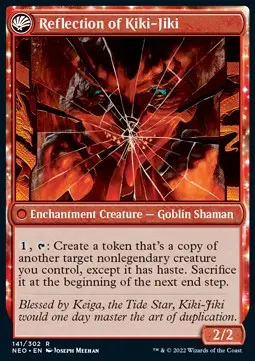
It does a lot of small things that add up to what is closer to a two- or even three-for-one, something that the Rhino deck values highly. This is because the deck doesn't have any means to generate actual "true" card advantage, for example by drawing extra cards. However, you can easily generate "virtual" card advantage. Forcing your opponent to use two removal spells to deal with your Rhinos, which only cost you one card, technically means you are up one card on your opponent. Fable does similar things.
You get a 2/2, you get to discard potential dead draws to get more shots at what you need, and the back side needs to be dealt with. While you don't have amazing copy targets in the deck, just getting an extra Rhino attacking can be backbreaking. But of course, there is also the potential of "soft-locking" your opponents with any of the Elemental Incarnations. Copying
You essentially get to attack from a different, sometimes unexpected angle, all while stretching your opponent's removal and resources even further than normal. I will concede that Fable is pretty atrocious in aggro or combo matchups, as you will see in the sideboarding section. But when you need to grind through counterspells and removal, it does some very heavy lifting few other cards can match, at least for the mana cost.
Sideboard Guide
Sideboarding with this deck is also relatively straightforward. You don't have tons of options for your sideboard to start with, as you are still restricted to spells with mana value 3 or greater. This makes the sideboard clean and simple, usually maxing out on four-ofs.
One important thing to note when sideboarding, however, applies if you're running two copies of
Even though there are only four different cards in the sideboard, it can be helpful to know what to bring in when, and also what to take out! Here are some examples for some of the most prevalent Modern decks.
| Sideboarding Aganst Izzet Murktide | |
|---|---|
| bring in | take out |
|
|
You want to mulligan within reason to find a Leyline in this matchup. Ditching an "okay" seven-card hand can sometimes be the right call. Force of Negation also loses a lot of value when
| Sideboarding Aganst Four-Color Elementals | |
|---|---|
| bring in | take out |
|
|
This matchup is tough but even. You want to be leaning heavily into the tempo plan, and if you're expecting a lot of this matchup, I would run
| Sideboarding Aganst Hammer Time | |
|---|---|
| bring in | take out |
|
|
This matchup is very different pre- and post-board. I will concede that this is a very tough battle in game one, but getting to bring in the full four Force of Vigor really helps swing the odds in your favor.
| Sideboarding Aganst Burn | |
|---|---|
| bring in | take out |
|
|
This sideboarding might seem a little odd, and it is. It's a largely arbitrary swap, only because Fable is not at its best in this matchup. Force of Vigor can snipe
| Sideboarding Aganst Living End | |
|---|---|
| bring in | take out |
|
|
This matchup is probably the only really bad one Rhinos have.
| Sideboarding Aganst Amulet Titan | |
|---|---|
| bring in | take out |
|
|
Game one is tricky. But getting to board in plenty of disruption is very nice and often buys yourself the extra turn or two you need to beat the Titans.
| Sideboarding Aganst Yawgmoth | |
|---|---|
| bring in | take out |
|
|
Yawgmoth is one of the more favorable matchups you can find among the top meta decks. Fury just decimates the low-toughness creatures, and since Rhinos trample, they can't be chumped efficiently. You can essentially pressure both their life total and their creature count, two of the Yawgmoth player's most important resources.
| Sideboarding Aganst Death's Shadow | |
|---|---|
| bring in | take out |
|
|
This is another difficult matchup, simply due to the variety of disruption
| Sideboarding Aganst Tron | |
|---|---|
| bring in | take out |
|
|
Tron is a pretty favorable matchup. The quick clock you can present backed up with disruption is very hard to deal with for Tron, as they usually only play one big spell per turn. Force of Negation on
| Sideboarding Aganst Temur Rhinos (Mirror) | |
|---|---|
| bring in | take out |
|
|
The mirror match is, sadly, often quite uninteresting. That is because it all revolves around who can resolve the most Footfalls. If you run Endurance in your list, you can target yourself to put Footfalls and cascaders back into your deck to grind out your opponent.
| Sideboarding Aganst Four-Color Creativity | |
|---|---|
| bring in | take out |
|
|
As long as you can prevent the namesake card,
Opinions expressed in this article are those of the author, not of Cardmarket.