
This article looks into the impact personal card choices might have on the overall gaming environment and other players' experiences. I wish to make a case for empathic deck building, which means the practice of constructing decks while keeping in mind how your chosen cards and strategies may influence your group as a whole. I also want to explore ethical concerns around deck building and gameplay, including fairness, sportsmanship, and the social contract. I wish to provide a critical perspective on deck building and gameplay in Magic: The Gathering and encourage players to think beyond just winning but to consider the impact of their card choices on others.
Building a Commander deck is more manageable today than five years ago. Players can tap into diverse online resources, including deck-building websites, forums, social media groups, and YouTube channels, all dedicated to providing guidance and tips on constructing powerful and effective decks. However, many of these resources focus solely on the technical aspects of deck building, such as card selection and strategy.
What is often overlooked are the ethical implications of the cards one chooses for a deck. Certain cards and strategies can create a "toxic," unpleasant, or unenjoyable gaming experience for others, but players should consider how their card choices affect the overall gaming environment.
In this article, I want to explore the ethical aspects around building Magic decks. I discuss strategies for building inclusive and empathic decks and how players can create a positive gaming environment for everyone involved.
Before We Begin: Disclaimer

The topics and theories discussed in this article have been developed through observations within my regular playgroup. I have had positive experiences from the interactions and discussions with my friends regarding these subjects. Having said that, I understand that some people are in different positions. I acknowledge my limitations and can only provide insight into my personal experiences.
Only some have a regular playgroup that meets once or twice a week. Many may play against random people or end up in a pod with complete and total strangers. There is no guarantee that any suggestion in this article will work for your situation. One can but try.
Magic: The Gathering attracts individuals from diverse backgrounds and cultures, and with various motivations for engaging in the game. By sharing my observations and insights, I hope to give you some ideas you can then implement in your own environment, within whatever constraints it might have.
These are merely suggestions and theories. I always aim to foster open communication among players to create a more enjoyable play experience for everyone involved. The least we can do is talk to each other clearly and constructively to reach a consensus and understanding.
Ethics in My Game?

Ethics are a fundamental aspect of human behavior that guide our actions and decision-making processes in all areas of life. This includes the realm of games, where our choices can impact players' experiences and the game's overall integrity. Ethical issues in games can range from just sportsmanship and fair play to more complex matters like inclusivity and representation. As games evolve and become more complex, the importance of looking at the bigger picture here becomes increasingly apparent.
Ethics can also impact deck building in several ways. While playing the game is ultimately about having fun and competing with others, one important consideration is fairness. Players should strive to create well-balanced decks and provide an equal chance of winning for both players. In a casual environment, building an overpowered or unbalanced deck can lead to an unfair advantage and ruin the experience for other players and, in fact, for oneself.
Another important topic is sportsmanship. Players should aim to build decks that show respect for their opponents on a personal level. This means avoiding strategies or cards just to frustrate or annoy others. Sportsmanship in games means no cheating, keeping your word, accepting a loss without becoming "salty," and generally acting with good intentions. It's typically about not being a sore loser but a good sport. Be nice to someone you are beating.
Sportsmanship within deck building also includes considering other players' limited budgets or deck parameters for a more level match. It also means providing an honest summary of what your deck can do.
"Toxic" Gameplay Patterns
Certain cards in Magic: The Gathering can enable "toxic" gameplay patterns by creating an environment where players cannot interact with or respond to their opponent's actions. These cards are often labeled "unfun" or "uninteractive" because they limit or deny players the ability to actively participate in the game.
For example, some cards can create a game state that prevents players from casting spells or using abilities. When used excessively or combined with other cards, they can put one player into complete control and leave the others feeling frustrated and powerles. Now, I am not saying that playing control is nasty or rude per se. How you exert your control is what counts here. Instead of countering every spell or denying every interaction, talk and negotiate with players, or allow them some breathing room. Give them small victories before you secure your win. A game with a bit of give and pull is a significantly more enjoyable experience for everyone involved, rather than having to deal with an archenemy from turn three.
While these cards aren't breaking any rules, their use can contribute to a "toxic" gaming environment by creating an unfair advantage or rendering others unable to actually play the game. It is essential for players to be aware of these cards and strategies, and to consider the impact they may have on the shared gaming experience of everyone at the table.
This is very important: There is nothing wrong with being competitive if you and your opponents are all on the same page. If, on the other hand, you are building decks to play against people with whom you haven't set limitations yet, consider the number of cards you include that restrict gameplay. There is nothing wrong with playing counterspells. On average, I run two to three in every deck I can, but I do understand how a deck containing more than ten can be infuriating to play against. The same can be said about board wipes. Yes, a deck must include three or four, but seven or ten? That may be too much.
"Toxic" does not necessarily mean "unfun" cards only. It can also be associated with behavior. "Toxic" behavior includes being hateful, mean, hurting others, and creating a hostile environment. Different people have different thresholds for this. Consider: if you play Stax and ask opponents to play well-equipped decks that can handle Stax effects-and if every player is okay with this - would that be "toxic"? Of course not. If, on the other hand, you lie or mislead players into starting a game against your full-powered Stax deck, then I can understand why people find it hard to play with you.
Recognizing Negative Card Habits

Let me use global land destruction as an example to highlight my point. Such cards are not inherently problematic. However, how they are utilized creates the unpleasant feelings and unfun play patterns so many complain about. I hear you; I am not dismissing your opinion, but consider this: Instead of playing an
If our deck is an aristocrat's strategy and your sole move is to use edict effects all the time without a quick way to close out the game, why are you surprised that players are annoyed? You can still play your
Do you hate asking everyone if they pay the one for
Imagine playing a
Neverending Games
Eventually, games need to end, and someone has to win. Ethical and empathic deck building should focus on how to finish or win games as well. Suppose, after an hour-long game, someone wins by skill or a lucky play, by assembling a janky seven-card combo or bluffing their way to victory, or even just because they had the correct response at the right time and the mana to use. In that case, I am sure everyone will appreciate how the game finally ended. Consider concluding the same game using a card everyone groans and complains about.
I am looking at you,
The Social Contract
Of course, other players and writers have already made these arguments. In Commander, the commonly accepted social contract protects against certain types of play patterns and strategies. So what is new? Well, does the social contract really apply to said patterns in general or just to specific cards within singular playgroups once their members have identified them and complained about them enough?
The social contract dictates ethical considerations players make, usually focusing on specific cards instead of the experience as a whole. It has recently become more widely known and agreed upon, thanks to the increased popularity of Commander as Magic's premier multiplayer format. Commander requires a shared idea of acceptable behavior as everyone has different motivations for playing.
The fact that players can use the social contract as a tool to identify "toxic" cards is excellent. But what if we extended it to encourage ethical deck building from the start? What if we thought a little harder about the cards we include in our decks? Apart from the most commonly agreed points what about specific play patterns that certain strategies or cards encourage?
Empathic Deck Building:
Expanding the Social Contract
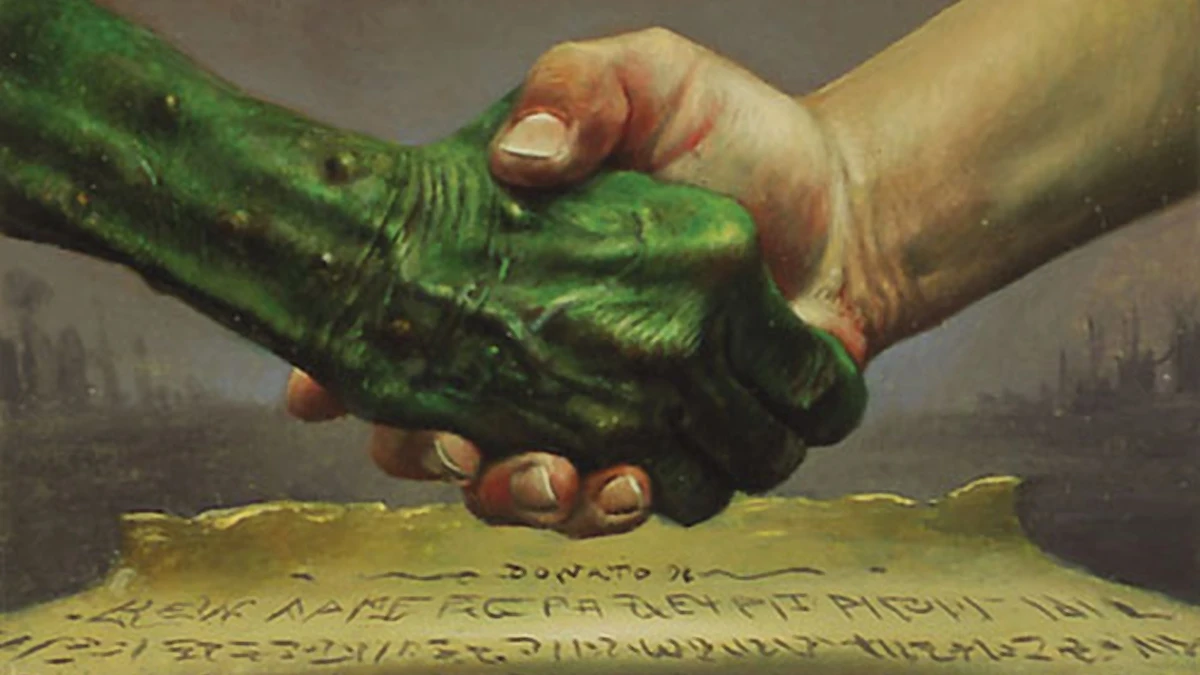
Empathic deck building refers to the practice of building decks in Magic with consideration for the emotional impact your chosen cards and strategies may have on other players. This concept extends the broader ethical considerations in deck building, explicitly focusing on empathy and compassion for others, going beyond the current social contract. Empathic deck building can involve avoiding cards or strategies intended to frustrate or demoralize opponents and incorporating cards or strategies that encourage interaction and a more balanced gaming experience.
While empathic deck building is not a formal or widely recognized concept in the Magic community, it reflects a growing awareness of the importance of a positive and inclusive gaming experience. Through building decks with empathy and compassion for others, players can contribute to a more welcoming and enjoyable atmosphere.
A good rule of thumb is checking the EDHrec salt score. The salt score is meant to keep track of "unfun" cards. Popular opinion is generally an accurate representation of what most players don't want to play against.
Patience Instead of Escalation
Imagine being excited about a new deck you just built. You meet up for your regular Magic night with your playgroup. You start playing the deck, and it's going pretty well. You like the deck's synergies and theme and feel like you are always doing something. There is only one problem: Since you are not playing the powerhouse cards, the "staples" of the format, you end up losing every game. Now, at this stage, it's easy to explain that the deck did not perform well because you are not utilizing the same power level as your friends. So what do you do?
Instead of trying to power up the deck with the same cards everyone else is playing, why not wait, play the deck again, and see if the deck needs tweaking in a specific area? It may require more card draw, ramp, or the curve to be adjusted. Before starting the game, ask your friends if they have some lower-power decks they can use. You are still experimenting with your new deck, after all.
Since you really like the deck, you want to give it another shot. Again, talk to your friends instead of simply giving in and adding the powerful cards. Maybe they can recommend some alternatives, or offer some insight from a different perspective. Ask them what they thought about your deck while playing against it. These insights can be very illuminating and help you build a better deck, and even become a better player overall.
The point of all this was not to just add the staples, win a couple of games and call it a day. Building the deck costs you time and possibly money. If you resonated with the deck or used it to express yourself, you managed to keep it your own without making it like everyone else's. You grew as a player by being patient, observing, and accepting defeat after defeat. You interacted more with your friends, and maybe you further developed your deck-building skills.
Is
Building in an Ethical and Empathic Manner

Problematic card designs can be an essential consideration when building decks in Magic, especially if the goal is to create a positive and inclusive gaming experience for all. While these cards may not factually break any rules, they can contribute to a "toxic" gaming environment by limiting the ability of other players to actively participate in the game or by creating an unfair advantage.
It is important to check the power level of your cards against the overall enjoyment of the game for everyone involved. This balancing act may involve avoiding cards or strategies known as frustrating or noninteractive and instead focusing on promoting a more balanced and enjoyable gameplay experience.
Players can also consider using empathic deck-building techniques to create decks that are more welcoming to all players. Ethical deck-building techniques include strategies that promote fairness, inclusivity, and fun for all players involved. Here are a few examples:
Avoid "toxic" cards and strategies: Certain cards and strategies can create unenjoyable games for other players or within specific playgroups. When noticing these experiences, players should discuss and point out how they are affected. Once you know that your friends hate edicts or hate it when you specifically endlessly blink or reanimate a
, why would you keep building decks based on that strategy? Focus on collaboration: Including cards that encourage interaction and cooperation, such as those that allow opponents to draw extra cards or gain life points, can create a more engaging experience for all players. When in doubt, I always add a few cards to my decks that introduce the Monarchy.
adds relevance to more aspects, including negotions between players. It might not encourage the best possible play, but for the Monarchy, everyone has a price. Emphasize balance: Building decks that are well-balanced and not overly powerful can promote more fairness. Balanced decks involve avoiding "win at all costs" strategies or excessively aggressive play styles. Again, this depends on the type of players you are hanging out with and the playgroup. Talking and discussing deck ideas helps avoid situations where one deck dominates a game at the cost of others having fun.
Embrace creativity: Magic is a game that encourages creativity and innovation, and players can incorporate this into their deck building. Creativity can involve experimenting with unique or unconventional card choices or creating decks themed around a particular idea or concept.
Pay attention to the other players around you. Communication and observation are vital.
The Problem of Money
Players should also consider the financial aspect of the game. Magic can be an expensive hobby. Not everyone can afford to build high-powered decks or invest in rare and expensive cards. Keeping that in mind, you might avoid decks that rely heavily big money cards, as this can create an unfair advantage and exclude players who aren't able to afford them. It's a way to level the playing field and make the game rely more on skill rather than owning the best cards.
Of course, this can all be mitigated by discussing this with the playgroup or players you interact with on a regular basis. Consider allowing the use of stand-in cards to represent other, more expensive cards if power is the gameplay style each player enjoys. This way, if someone owns pricy cards, they can still play them, but at least other players have the option to use these card designs, too. Another example that comes to mind is a playgroup ban list or budget limitation on decks. Again, there are many alternatives to mitigate unbalanced games if the problem is expensive cards.
One thing I do all the time is build decks for my friends to use. I pick up on certain commanders they like or discuss and try to put myself in their shoes. This is a novel challenge because you know you are not building a deck to match your play style, but rather someone else's. It can enhance your understanding of the game by exposing you to different strategies and the effects certain cards have on gameplay. Not least, it's a way for you to support those who would need more resources or knowledge to build a deck from scratch. It's a gesture of support and camaraderie within the Magic community as you're sharing your experience and deck-building skills to help others enjoy the game.
The Mindful Deck Builder

In my opinion, ethical considerations in deck building for Commander are essential for creating a positive and inclusive gaming experience. Building a well-balanced, interactive deck that avoids toxic cards and strategies can promote fairness, creativity, and fun for all players involved.
I do follow a personal ban list for when building decks. Believe it or not, a couple of years back, I stopped playing
After some games, however, I do ask the players how the cards made them feel. I ask them, if they had an alternative, would they replace the card in question with a less problematic one? This does not produce straight answers, but it is the start of a constructive discussion. It makes the players aware of certain things beyond gameplay and shifts the focus from just winning to a more reflective lens on the social considerations of playing Magic. Remember, the emphasis lies not solely on the cards, but on how they are used.
On the Same Playing Field
Do you want to check if your playgroup agrees on the table's power level or if you all have similar deck-building principles? Ask to play with one of your friends' decks. It can be an insightful experiment that allows you to experience firsthand how another player approaches the game and what they prioritize in their deck construction. Again, similar to when building a deck for a friend, you can gain a deeper understanding of their preferred play style, card choices, and overall strategy here. This approach can help you better align with their mindset and make informed decisions regarding deck building or adjusting your own deck's power level.
This can be particularly beneficial when playing with new people or joining a new playgroup. It can foster a sense of solidarity, build trust, and encourage open discussions about deck construction and power-level expectations. However, it's essential to respect individuals' boundaries and preferences. Not everyone may be comfortable lending their decks to others, especially if they don't know them well or have concerns about potential damage to their cards. Communication is critical in this situation. Always explain your intentions and seek permission. Respect their decision.
Final Words

Yes, everyone likes to win, but only some play Commander to win. Sometimes, when I meet my playgroup, we start a game, and instead of focusing on the gameplay, everyone seems to be in a chatty mood, and we just end up chilling, playing the cards, and eventually, someone ends up winning. We still play the game, but only some of us focus on victory. Other times, someone does something or says something hilarious, and 'we can't stop laughing for the entire game.In the end, someone came out on top, but it was so much fun for everyone that it didn't matter that who won or lost. We still enjoyed the time spent together playing the game.
Opinions expressed in this article are those of the author, not of Cardmarket.