In 1998 Exodus introduced the color-coded expansion symbol so players could see the rarity of their cards right away. "Gold" is not only the name of a great song by Spandau Ballet but also the color of the highest rarity level this expansion symbol would show until mythics arrived ten years later. But when it comes to the traits of Magic cards, gold is not just about the rarity …
When discussing the most notable inventions in Magic outside of Alpha, which layed the foundation, one has to mention sets like Alliances (pitch spells like
Gold Magic
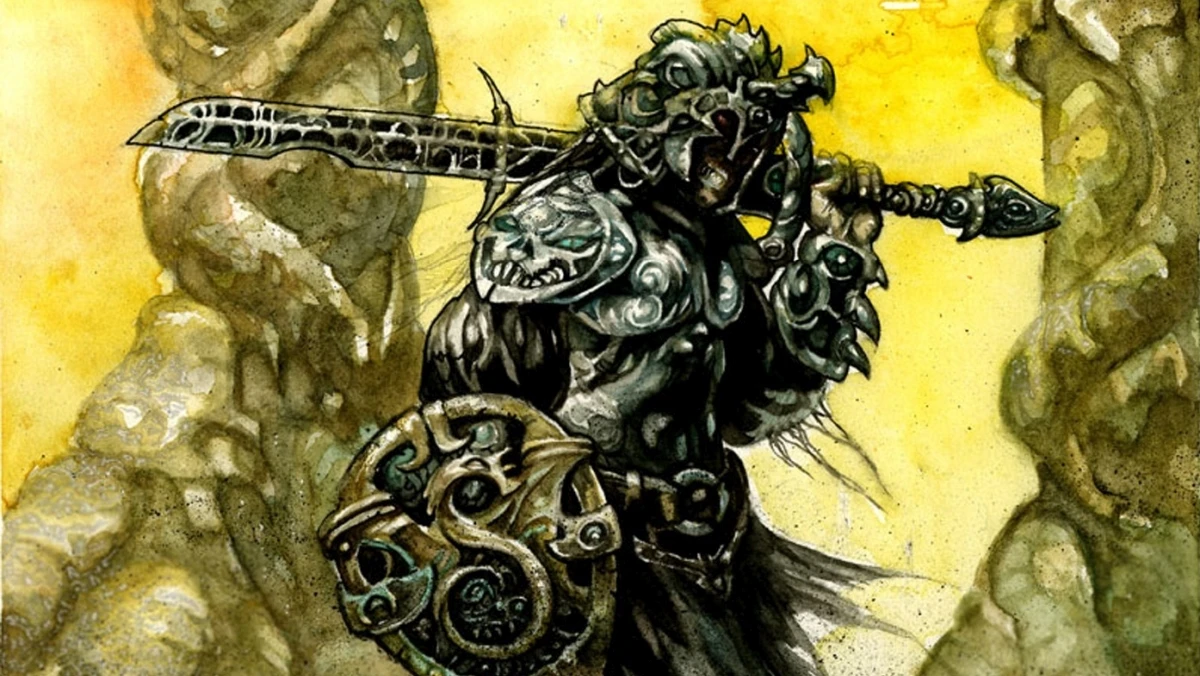
Going back to 1994, gold was connected to another innovation within the Magic timeline. It was then that the game's third expansion Legends introduced multicolored, gold Magic cards. This initial list of gold cards consists of the very first legendary creatures.
Why is this significant? Well, the most important and most common way to play Magic today is called "Commander." In this singleton format you pick a legendary creature that is supposed to lead and support your army. I guess you know it by now.
However, in the beginning—the format reaches back to the year 1996—it was known as "Elder Dragon Highlander" or more commonly EDH. The Highlander part references the tag line of the eponymous movie franchise ("There can be only one.") and thus the format's one-of rule. But why Elder Dragon?
Elder Dragons & Friends
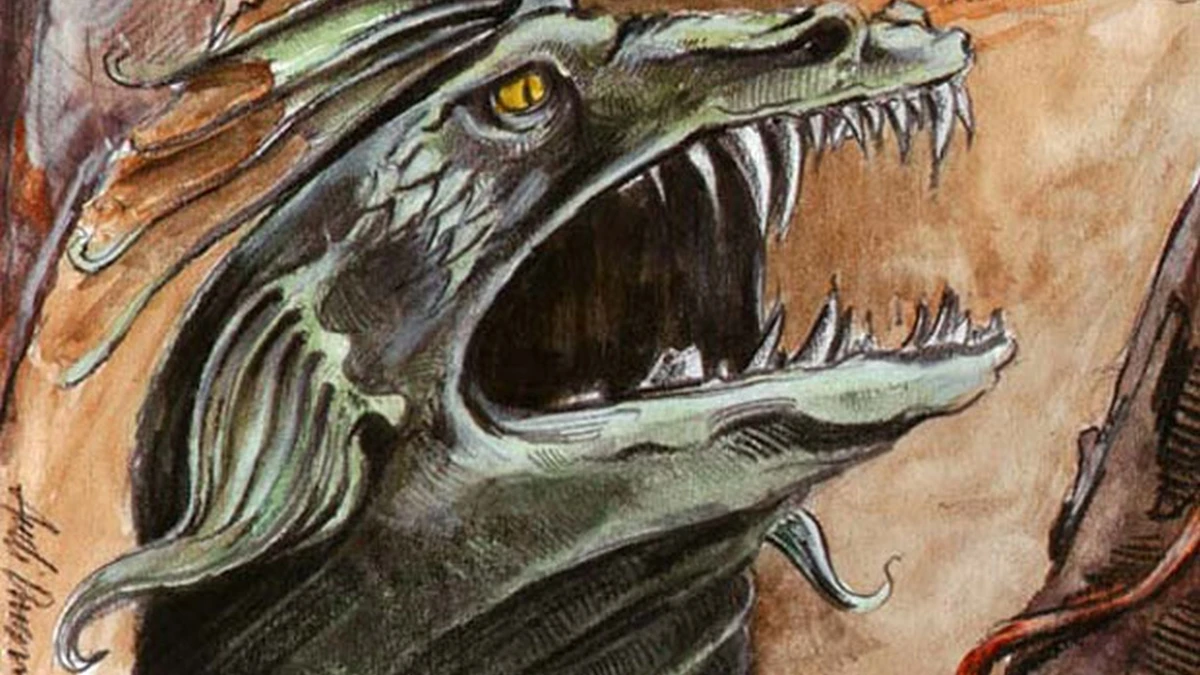
Legends included five Elder Dragons, all of them belonging to that aforementioned list of legendary, gold creature cards. They are:
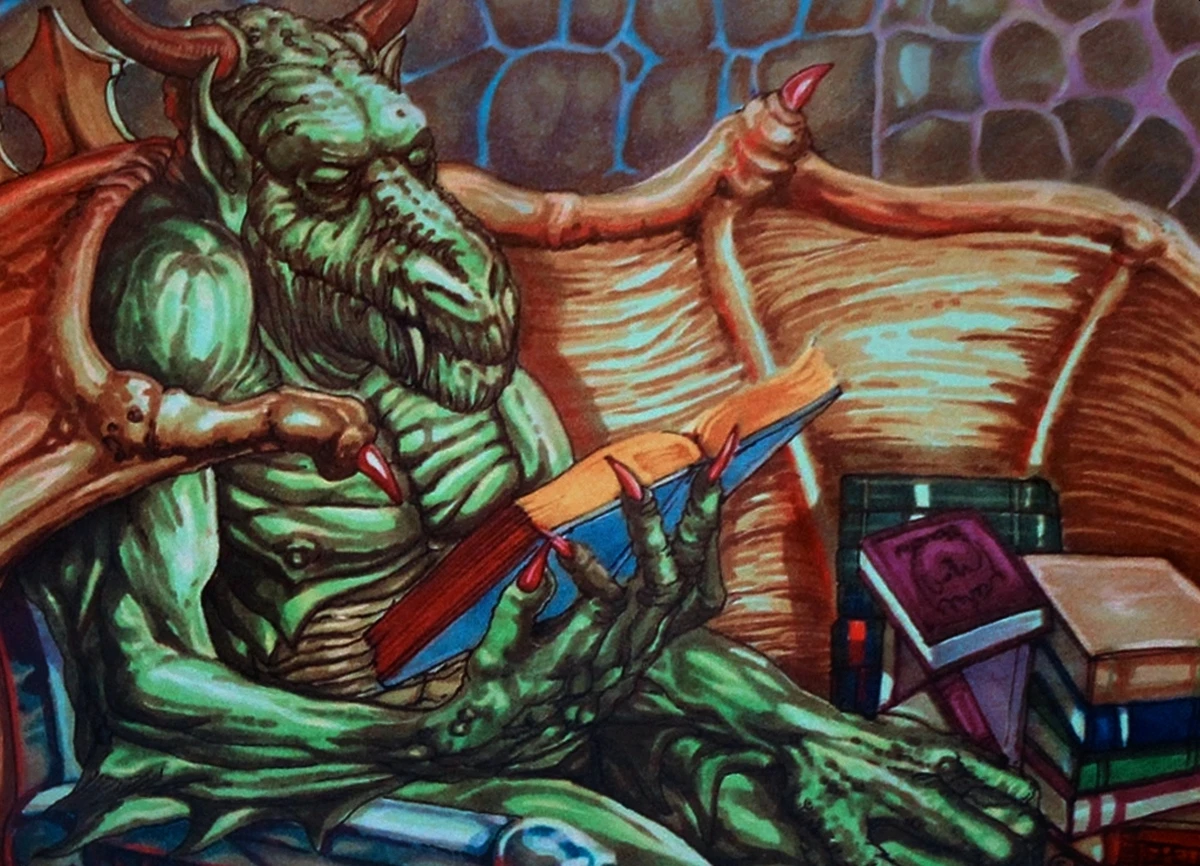
Remember that impressive War of the Spark trailer from 2019? Yep, that's prime Bolas. He changed quite a bit. His first card appearance 25 years earlier had pictured him as more of a reclusive, geriatric bookworm (with, for some reason, mammary glands).
The original Elder Dragons always stood out more for their undeniable cool than their power. Insofar as they were more powerful than alternatives, it was the fault of their contemporaries. None of the legendary creatures of Legends reach the level of modern commanders like
Although the set as a whole is as awesome as it gets, we must be completely honest. Some of these legends are not only not standing a chance against their younger rivals, they are truly among the worst creatures ever.
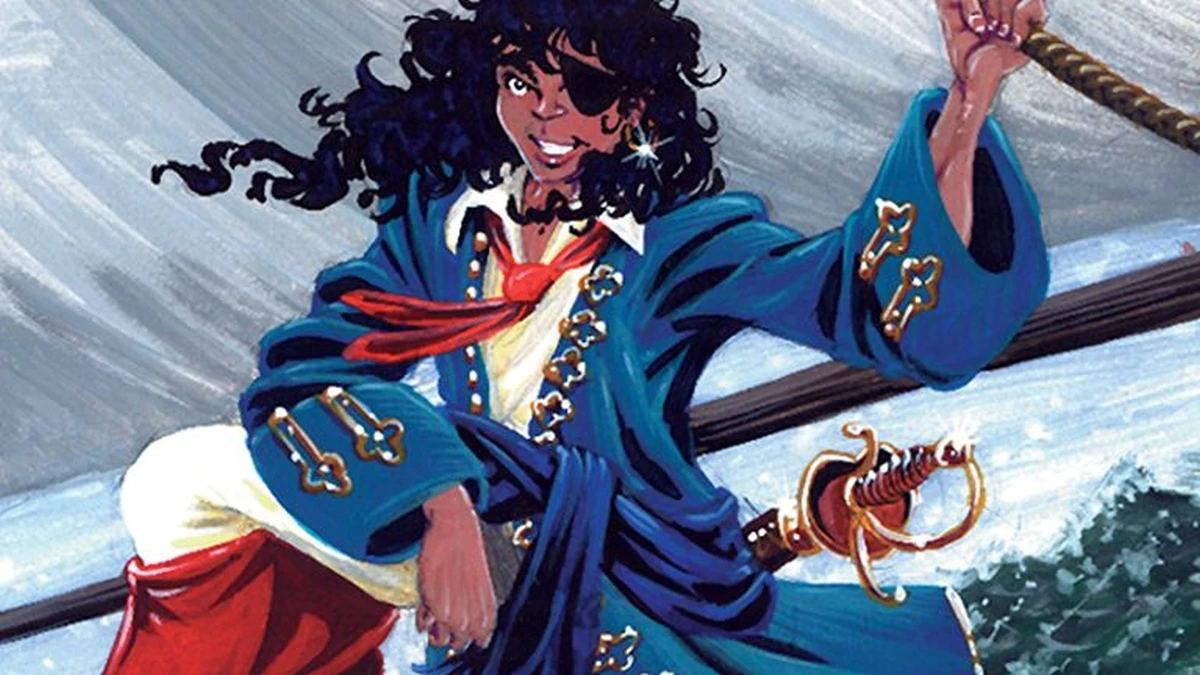
While I wouldn't waste time building a Ramirez EDH deck, I still want to encourage you Commander afficionados to come out of the power gaming bubble. Choose a quirky, mediocre commander with flavor and grind a little harder! Commander is the right format for it.
Mister "two-million-dollar ring" Post Malone himself is a great example. He is known to be obsessed with his
Blast from the Past: Legends of Legends
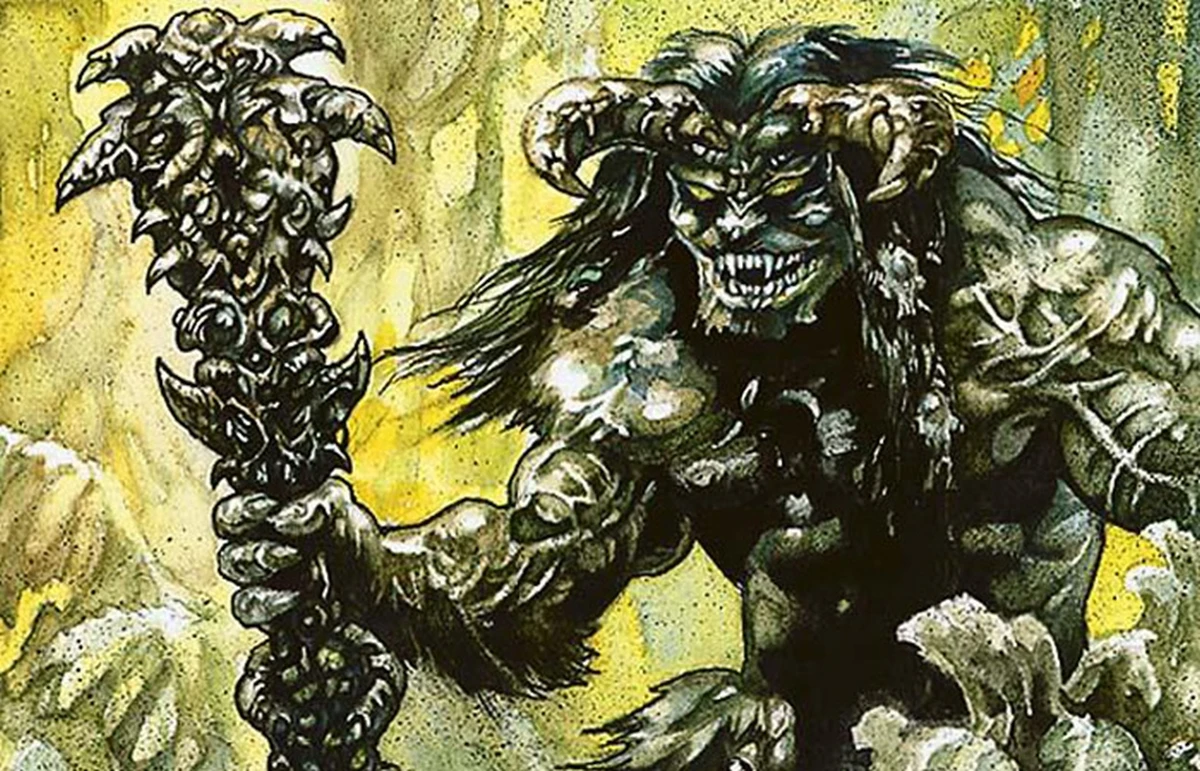
I don't want to leave you with encouragement alone, though. Here is a shortlist of some of the most iconic, quirky, or iconically quirky legendary creatures from Legends:


The Lands of Legend(s)
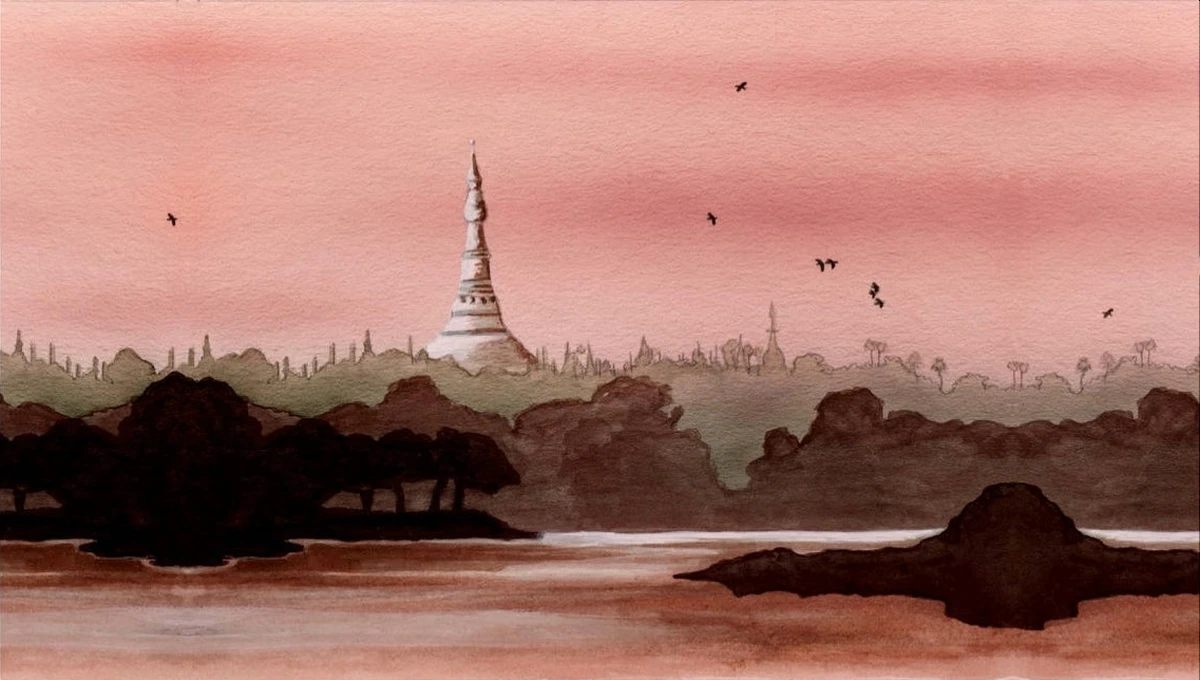
While Legends layed the framework for Commander, it also contained two of the most anti-Commander cards imaginable:
The Tabernacle taxes the existence of creatures too, all of them, forcing everyone at the table to "pay the one" over and over. For this reason, although it is not banned, it is frowned upon. I still wonder if
In the End …
Legends single-handedly gave us Commander. Funnily, though, most of its legendary creatures are unplayable in Commander these days while the two most powerful legendary lands are either banned or commonly hated because of their oppressive effects.
Besides introducing legendary cards, Legends also expanded and added nuance to Magic's color pie by premiering multicolored cards, which still shapes the perception of modern mana bases. Considering today's significance of the Commander format, one cannot deny that the development of the multicolored, legendary creature was one of the most important additions or even the most important addition to the game yet.
Opinions expressed in this article are those of the author, not of Cardmarket.